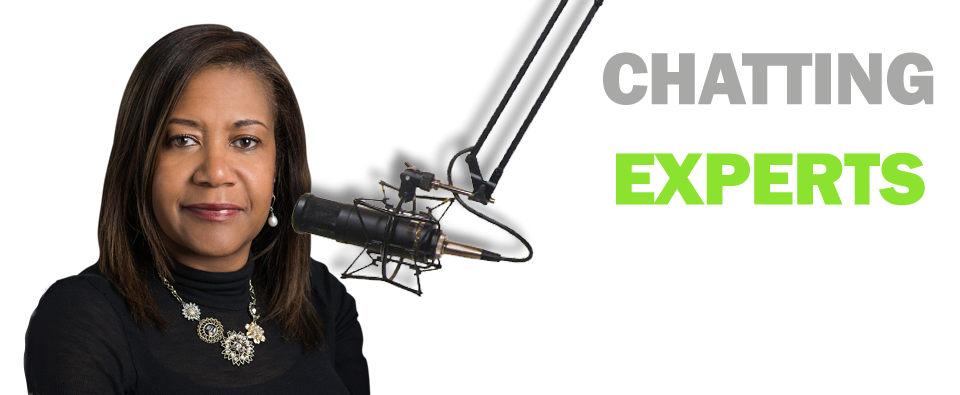

Rebecca H. Mott, a founder of ReThought LLC & an author of Amazon #1 new release The Meeting Room, and “The Meeting Architect”, discusses how the energy you bring into a room sets the tone for conversations, decisions, and outcomes. Rebecca shares a lesson from early customer service work that smiling affects tone even on the phone, and explains how stress and “nervous energy” influence how others receive you before you speak. She emphasizes this is learnable through awareness and breath control, describing how marathon training taught her to pace breathing and notice stress indicators like holding her breath in meetings. She contrasts being a “thermometer” versus a “thermostat,” urging intentional calm presence, especially for leaders. Rebecca also shares her October 2024 diagnosis of hormone receptor-positive breast cancer, encourages mammograms, describes completing treatment and being cancer-free, and credits faith and responsibility in healing.
3 Takeaways
Smiling Through the Phone:
An intriguing point Rebecca brings up is the power of smiling when speaking, even on the phone. People can perceive a smile through the energy transmitted over a call. This consistent practice of bringing positive energy was transformative in her interactions, proving that energy influences how warmth and positivity are conveyed and received.
Setting the Temperature Before You Speak:
Rebecca highlights the importance of recognizing how busy, high-stress environments can influence the energy you bring to the room. Showing up with a positive demeanor sets a peaceful atmosphere and can significantly impact the people around you. Consistently bringing calm and positive energy ensures that even on challenging days, shifts in energy can be immediately noticed by colleagues, emphasizing the profound effect of subconscious energy exchange.
Thermometer vs. Thermostat:
Rebecca presents a thought-provoking analogy: Are you a thermometer or a thermostat? A thermometer merely reacts to the environment, while a thermostat sets the temperature. This analogy pushes us to strive to be intentional in our energy, acting as thermostats by setting the calm and comfort level in any room.
ShowNotes
Click on the timestamps to go directly to that point in the episode
[02:35] Energy as Data: The Origin Story
[03:44] Smiling Through the Phone
[05:48] Setting the Temperature Before You Speak
[09:13] Breath as Your Superpower
[09:34] The Running & Side Stitches Lesson
[12:29] Neuroscience of Calm Presence
[15:20] Thermometer vs. Thermostat
[18:21] Leading with Intentional Energy
[21:28] Rebecca’s Cancer Journey & Faith
[24:35] Advice to Her Younger Self
Get In Touch:
If you’re interested in connecting with Rebecca Mott, you can reach her via her website or her LinkedIn.
For those interested in sharing their own stories on “Chatting with the Experts,” reach out to Paula Okonneh through her website or connect via LinkedIn.
[00:00:00]
Welcome & Guest Introduction
Paula: Hello everyone, and welcome to another episode of Chatting With The Experts, where I speak with amazing women from Africa, from the Caribbean, and in the diaspora. and these women share with me my mission, which is to educate, to empower, and to inspire women globally, and today’s no exception. Our topic today is The energy you Bring, What the Room Feels Before you Speak. And to join me to do that is an author and meeting design expert who shows entrepreneurs and professionals how the energy they bring into any room sets the temperature for every conversation, decision, and outcome that follows.
She is the founder of ReThought LLC, and the author of The Meeting Room, which is an Amazon number one new release. She’s known as The Meeting [00:01:00] Architect, and she brings 31 years of experience from the Tennessee Valley Authority where she launched TVA’s first innovation center and served as the inaugural Lean Six Sigma Black Belt to her work helping leaders design meetings that actually move things forward.
There’s so much more I can say about her, but before I continue reading her impressive, very impressive bio, I’ll invite her to join me. So with that, I wanna welcome Rebecca Mott to Chatting with the Experts. Welcome, Rebecca Hi, Paula. Oh my gosh. I, I say this all the time, that I have such impressive guests joining me every week, and you’re no exception.
Did I leave anything out about you?
Rebecca: Oh my goodness, no. Thank you so much for that gracious [00:02:00] introduction.
Paula: Yo, oh my God, I know you’re a certified change management practitioner, professional coach, you’re a Scrum Master. Oh my gosh, and it goes on and on. Thank you for saying yes.
Rebecca: Thank you for the invitation.
Paula: Absolutely. Absolutely. So, you know, We talked about energy that you bring into any room that you walk into, more or less, and you keep saying that people set the temperature before they even speak. Let’s talk about that. Why do you think, or why do you say that? Why do you say that our energy is our data?
Energy as Data: The Origin Story
Rebecca: Oh my goodness, Paula, this goes back more than 20 years in my career when I first learnt this lesson. And I had stepped into a role where I was a technical service representative basic at uh, a laboratory, and I was the first point of contact with customers, and that was before [00:03:00] we had Zoom and virtual meetings, so everything was done on the telephone. Mm. And I attended this course where it was talking about how to be a customer service professional, and they talked about the tone of your voice on the phone and how that created the connection with the person on the other end of the line. And, And so they talked about not just the tone of your voice, how you speak, all of those things, but they also talked about even though the person cannot see you…
Smiling Through the Phone
Rebecca: Get this, Paula, even though the person cannot see you, when you smile while you’re talking on the telephone, that they can pick up on that positive tone in your voice [00:04:00] from the smile on your face on the telephone while you’re talking. And I started practicing this positive energy just on the telephone, and then I realized at some point, wait a minute, I need to do the same thing when I show up in the meeting room.
Mm. When I go to meetings, I need to do the same kind of prep that I was doing and the same kind of energy that I was bringing on the telephone calls to the meeting room, and it transformed in both places. People, even after I left that role, Paula- Mm … people would call me and say, “Hey.” And I would say, “Listen, I’m not doing that anymore.”
And they’d say, “Well, we love to, we love working with [00:05:00] you.” Mm. And so it really helped me understand that the energy that I was bringing to the room, and even on the telephone, mattered
Paula: So, you know, in talking offline, you mentioned that, you know, even like people felt that unsafe sometimes. So depending on how you entered the room, like whether you’re smiling, or even as you said, on the telephone when you smile.
Because I remember the first time I heard that, I thought, “That’s weird.” But then I started listening more, and that is so true. You know when the other person is smiling. You feel it, you know? You can hear it even before they even speak. You know, you know, oh, this person is pleasant. This customer service rep is pleasant, and you feel more comfortable.
Setting the Temperature Before You Speak
Paula: So you are saying that you can even get your best ideas, you feel comfortable, you feel more at ease, better things can happen, the outcome can be, can be better [00:06:00] depending on how you receive the person, whether virtually or whether you can see them or not, based on what they are bringing into that room.
Rebecca: Absolutely. And a lot of times we don’t realize that, and especially if we are in a professional setting where things are busy, right? People are busy. Sometimes you’re going from meeting to meeting, and if you’re in a high-stress job, that impacts it as well. And I’ve been there.
I’ve been in, uh, I served in operations where, you know, things were really intense, Paula. And I realized that if I brought nervous energy to the room- Mm-hmm … if I was stressed walking into the room, that it impacted how [00:07:00] I showed up in the room and how people received me and interacted with me. Mm-hmm. To the point that I got, I got so good at practicing what I’m talking about, right, showing up with that positive energy, that let’s, let’s just face it, Paula, every one of us is gonna have a bad day, right?
Oh, yes. It’s not if, but when. Yep. And so I had established such a consistent way of showing up positively that when I walked in a room and I was upset about something, people would immediately say, “What’s wrong, Rebecca?” Hmm. Because they sensed that shift in my normal energy that I brought into the room to, oh my goodness, this is something different.
And , it was before I even spoke a word, I would just walk in and sit down, and someone would look at me who had worked with me for a while, and they would say, “Is everything okay?” Or, [00:08:00] “What’s going on, Rebecca?” Hmm. And that is exactly what we’re talking about here today, Paula. We don’t realize sometimes- We’re not aware of that energy that we’re carrying around, that we’re bringing into the professional setting, that we’re bringing into the rooms that we enter, and it is having an effect on the other people in the room.
Paula: So another thing you said. You said it’s not a personality trait. What is it then? Is it something that we can learn? Um, if so, how do we learn it?
Rebecca: Yeah. That’s a great question, and it really depends on where your starting point is. And for some of us it will require more work than for other people, just depending on your starting point. But here’s [00:09:00] one thing that I tell people as a starting point that will help you become more aware, and that is
Breath as Your Superpower
Rebecca: paying attention to your breath. The way that you breathe. And I learned this even more when I started running. So I decided one day
The Running & Side Stitches Lesson
Rebecca: I wanted to train to run a marathon. And, uh, so I went from walking, I couldn’t even walk a mile, Paula.
And so I went from not being able to walk a mile to training for a marathon. And as I was progressing, at one point I got, I got out and I was, I was doing my running thing, and I got what they call, runners call it side stitches. And it’s [00:10:00] this stabbing pain. It feels like a stabbing pain in your ribcage.
That’s what it feels like. And I didn’t know what was going on with me. I was like, “What is going on?” And I had to stop running. I, I barely got back to my car, the pain was so bad. And I got home and I did my research. What is happening with me? And, this is what it said. You get side stitches when you are not pacing your breath with your run.
So you’re, you’re going faster, you have to get more oxygen in, and if you’re not doing that, then your, your lungs kind of go into a spasm because they’re not getting the proper amount of oxygen. And so I started paying more attention to my breath, and I realized in [00:11:00] meetings, I was showing up, I was paying more attention to my breath.
I realized I was holding my breath at certain part, parts in the meeting, Paula. Mm. I wasn’t even aware I was doing that until I started paying attention to my breath. I was like, “Why am I holding my breath in this meeting?” I would hold my breath for 10 seconds. That’s not good, Paula. That’s not good for your body.
That is a indication of stress.
Paula: Stress, yes.
Rebecca: And so I started studying about the, the, all the neurology that happens, all of the, the things that happen in your brain, the neurochemistry. I started studying all of that and understanding how all of that tied together. And, uh, if you’re familiar with meditation practices.
They start with breath. You practice breathing. Slow in, slow out, [00:12:00] box breathing. Think different types of breathing that gets your, your physical body to calm down and get into a calmer state, which then helps your mind to calm down. You slow the breath down, you slow the mind down, and now your body,
Neuroscience of Calm Presence
Rebecca: the neurochemistry, starts triggering, “I’m safe,” and that shifts your energy, and you can bring that calm presence into wherever you are through how you control your breath.
So I talk about it in my book. I talk about that breathing and how important it is.
Paula: You know, I know you’re a Christian. Am I [00:13:00] right with that?
Rebecca: Say that again
Paula: I said I know you’re a Christian. Am I right with that?
Rebecca: Yes, I am a Christian.
Paula: Yes. And I know when we talk about breath, you know, even as a baby is born, the first thing is the breath we take in, you know? And, because we are Christians we read the Bible and we talk, God breathed into us, into man, and that’s the first breath.
And I too have been taking note of breathing and how important it does, it is for us. I mean, holding your breath as you know, as you were talking about it, I was even now being more conscious of how I was listening to you and holding my breath listening to you talking about holding your breath, you know?
And I’ve seen over the past few weeks as I’ve become more conscious about my health. More conscious about breathing exercises, you know. When I say breathing exercise, like in the [00:14:00] morning, throughout the day I should say, I’ve learnt to, even if I’m not stressed, to stop, take a deep breath, hold it for, taking count.
Taking a deep breath for four seconds, hold it for another four, breathe out for eight seconds. And how helpful that has been, you know? And it comes down, as I said, to the basic, when we calm ourselves down through breathing exercises, it changes so many things, you know? I haven’t done all the studies of the neurology because I said I’m taking more, I’m being more intentional about so many things.
What I put into my mouth, how I think, who I speak to, measured tones. And now speaking with you, you know, as you say, it makes a difference in how we appear, how we show up in the world, how we show up in meetings, how we even relate to people. And as you [00:15:00] say, you know, when you calm yourself down, the way you’re calmer, people feel it. And you change … the atmosphere around you.
Rebecca: Oh, I love that, Paula. We change the atmosphere around. And so this is what I tell people. I ask the question:
Thermometer vs. Thermostat
Rebecca: Do you wanna be a thermometer or a thermostat?
Paula: Mm.
Rebecca: So a thermometer responds to the environment around them, and it moves based on what’s happening in the…
But a thermostat controls the temperature of the environment. So you have to make a decision. Do you wanna be a thermostat, or do you wanna be a thermometer? And so many of us, in different ways, show up as thermometers, and we’re just reacting to what’s going on around [00:16:00] us rather than doing exactly what you just said.
You said, and I love the word, intention. You show up with intention, and the intention is to show up with that calm presence and be that thermostat in the room. And I realized, so for about four years in my career, I was facilitating meetings from every frontline, you know, employees all the way up to executives in the room, and I’m facilitating these meetings.
And I realized, Paula, that this is where I realized the practice of this calm presence that I’m bringing into the room and how that establishes a certain energy in the room that allows people to either relax and lean in or can [00:17:00] cause people to be more nervous. And if I walk in with that calm presence, people respond.
I’m being that thermostat, and it cools the temperature down in the room. So I would say to anyone, if you’re walking into rooms and it seems like every time you walk into a room things are just going, ask yourself, “When I walk into that room, am I showing up as a thermometer and just reacting and flowing with whatever’s going on in the room?
Or am I showing up with that intention to be a thermostat and help set the temperature in the room?”
Paula: And that’s important. That’s the key, and that’s why you said you are the designer. And I remember a earlier [00:18:00] conversation and you said that’s what helps… it has taught you a new way of building businesses, a new way of navigating, um, navigating through this world.
Rebecca: Absolutely. And also, Paula, if anyone who’s listening today,
Leading with Intentional Energy
Rebecca: if you are a leader, which I believe we are all leaders in our own right, wherever you are, it doesn’t matter your title. If someone’s looking up to you, you are a leader. And, but here’s the thing, Paula, I watched some of the best leaders that I had the opportunity to serve, and this is what they practice. They would show up with that calm presence, and out of how they showed up, it impacted me. And so, you know, flipping that [00:19:00] around, I had to ask myself, how am I showing up so that I… because how I am showing up is impacting, is having an impact on the people around me.
Paula: Mm-hmm.
Rebecca: And so understanding that as a leader is so important because so many leaders talk about, I’ve heard leaders complain about their team, about the, oh, the environment, oh, my teams, and they complain about it. And I want to let them know, you have more power than you think you have on how you impact the people that you’re leading, and it starts with this energy that you are bringing into the rooms where you show up with your people
Paula: [00:20:00] So one last tip you can, I was gonna say, I know you had a serious, you mentioned to me, uh, feel free if you do wanna share it or not, that you had a serious health um, challenge at some point, and you realized that this is a resource that you could share. As you mentioned, it’s a leadership resource. It’s a leadership choice. If you had an option to go back to your earlier days in corporate, what would you change? What would you say now to your earlier self? Not even to the people, but to your earlier self. To Rebecca, the younger Rebecca, “Rebecca, you should have done this. Rebecca, if I know what I know now, this is what I would have done when I was younger.”
Rebecca: Oh, wow. That is a big question.
Paula: We can, we can change the question.
Rebecca: [00:21:00] No, it is-
Paula: We can change the question.
Rebecca: … But it’s a fantastic question. But I want to, want to start with, yes, I did have a serious health event. And I want to use this, so your audience is women, and I want to say if you have not had your mammogram, please go get your mammogram.
Rebecca’s Cancer Journey & Faith
Rebecca: I was diagnosed in October of 2024 with hormone receptor-positive breast cancer. And that journey, it triggered a whole journey of course of all the treatment that followed to where I am today, which is cancer-free. And, you know, here’s [00:22:00] the thing, and we’re Christians.
Paula: Mm-hmm.
Rebecca: I believe that God provides healing for the human body in answer to believing in prayer. And again, it’s a cooperation that you enter with God, and it takes you doing some things, and then God will do some things. This is how I believe. I believe that faith is an interactive thing, right? If you study the Bible, you will see God interacted with humankind. Mm-hmm. He interacted with the father of faith, Abraham. He interacted with Moses, and he would tell them to do some things. They would be responsible to do some things, and then he was responsible to do some things. And so that whole cancer journey triggered that. But when we talk about the energy that you bring into it, again, I don’t wanna get [00:23:00] too deep in it because I’ve studied a lot about, again, the neurochemistry, all the things that happen in your body when we’re stressed are counterproductive to the healing process. So when you talk about this calm presence, facing a disease like cancer is very serious, but it matters what energy you bring into that healing process, into that treatment room, right?
I had to have chemotherapy treat- I had to have surgery, I had to have chemotherapy treatment, I had to have radiation therapy treatment. And what I’m talking about now, I practiced with my treatments, which were not easy, but I showed up with that calm presence, with that intention even in [00:24:00] all of those things. And my doctors would just comment about how well I was navigating the treatment process and, how positive I was during the treatment process. But it was a, it was because of my faith, my belief in God, and again, the power of God to do what I couldn’t do. But then I was responsible for doing some things.
And
Advice to Her Younger Self
Rebecca: what I would say to the younger me is to understand your limitations, but then also understand that you have responsibility to do some things and know that’s, like, where does my responsibility end [00:25:00] and God’s responsibility begin? Because so many times, Paula, we try to control things that are beyond our control.
Paula: Mm-hmm.
Rebecca: Or we think about things that are beyond our control. I like… Zig Ziglar is one of the leaders that I listened to during my career development, and he used to say, he said, “When I would meet a challenge or face a challenge or a problem,” he said, “I would stop and say, ‘God, we got us a problem.'”
We got us a problem. And that is what I would say, to my younger self too, is that you’re not alone in it. God is with you in it.
Paula: Mm-hmm
Rebecca: … Whatever it is. And that’s what got me through my cancer treatment, is knowing that God, even though I was facing this, it was hard, there were, [00:26:00] you know, things going on with my body that I couldn’t control, but God was with me in it.
Paula: Amen.
Rebecca: He was walking with me in it. Or that, you know that poem Footprints in the Sand, right?
Paula: Yes. I know it.
Rebecca: There are times when He’s carrying us through it all, and being able to rest in that and knowing He’s got me, and my job is to show up with the absolute faith that He can do what I cannot do.
Paula: Amen. Wow. What a great note to end on. And to say thank you so much, Rebecca, for sharing with us today, and for filling us with hope, knowing that when we can’t do it, we have a Savior who can help us. And to know when your responsibilities stops and when God takes over, and to let Him take over, ’cause we can’t do it all.[00:27:00]
So to those who are listening who have not joined us in the audience and who are listening, if they’d like to know more about you and get in touch with you, how can they find you? And I’m sure you are online, so how can they find you online?
Rebecca: So,
Connect with Rebecca
Rebecca: I hang out mostly on LinkedIn.
Paula: Mm-hmm.
Rebecca: So you can look me up. I can share my link here in the chat.
Paula: I’ll drop it. I’ll drop it in.
Rebecca: Rebecca H. Mott.
Paula: Mm-hmm.
Rebecca: And, my website is www.trainwithrebecca.com.
And I love helping leaders of all kinds understand how to lead with that intention, with that purpose that will inspire their people, because I say this, we are better together.
Paula: I love it. [00:28:00] We are indeed better together. And for those of you who are listening to this on Audible or on Apple Podcasts or Spotify or watching us on YouTube, if you’d like to be a guest on Chatting With The Experts, you can reach out to me on my website, which is chattingwiththeexperts.com.
I’m also on LinkedIn. Um, a lot of my content is on LinkedIn. Just look for Chatting With Experts there or
my profile page, which is Paula Okonneh. I’m on Instagram, my handle there is
chat_experts_podcast. And I’m on Facebook, my personal page, and also the business page which I’d love for you to follow, which is Chatting With The Experts. And last but not least, we have a YouTube channel that we’d love, love, love for you to subscribe to, because that’s where you can listen to not just Rebecca, but all the other [00:29:00] women who, and a few men who have been guests on the show who share my mission, which is to educate, empower, encourage, and inspire women globally.
Thank you so much, Rebecca, for joining us today. And now we will open up the floor to those who joined us in the audience so that they can ask you the questions that I always say that, the questions that I forgot to ask you. That’s what they’ll do. Thank you again.