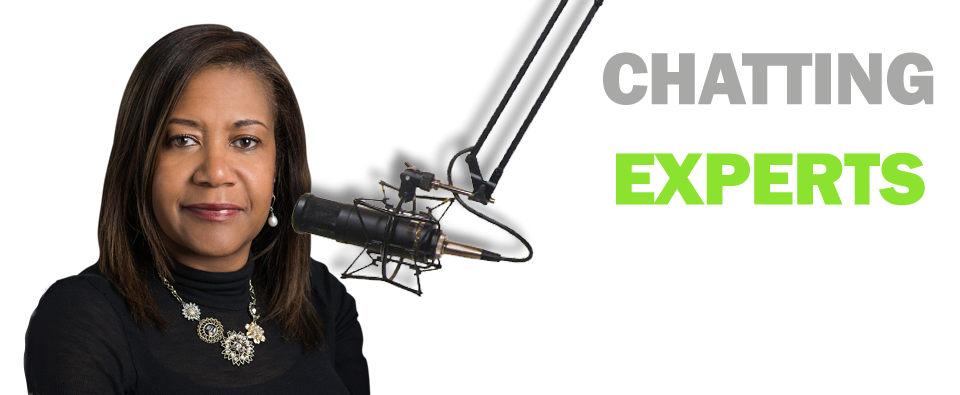

Tempest Williams, president and CEO of the Tempest Financial Group, PLLC, and a financial professional and intergenerational planning strategist, emphasizes the critical importance of having conversations about financial planning across generations. She shares her personal experiences of family losses and how it highlighted the necessity of discussing money matters to avoid conflicts and ensure preparedness. Tempest explains how she guides families through comprehensive financial planning, focusing on emotional and motivational aspects, and collaborates with estate planning attorneys and other specialists to address all facets of financial security. The discussion also touches on the challenges of reverse mortgages, caregiving for aging parents, and the impact of lacking awareness in financial planning.
3 Takeaways
A Personal Journey to Awareness:
Tempest shares her own personal story, where the lack of clear communication and planning in her family revealed the necessity for open discussions. Experiencing three family deaths within two years, she realized the critical nature of having comprehensive conversations about responsibilities and roles, not just relying on assumptions that everything is “all together.” This personal experience fueled her passion for ensuring her clients engage in meaningful financial planning conversations.
The Role of a Financial Planner:
Tempest Williams is a financial planner, though she is not certified by the CFP Board. Her approach goes beyond the typical financial planning process to include probing questions that uncover the motivations and behaviors behind financial decisions. She emphasizes the importance of mapping out financial responsibilities and potential future scenarios for clients, their families, and even businesses.
Tempest works alongside estate planning attorneys and other specialists to ensure that her clients receive comprehensive solutions. She acts as a supportive guide throughout the process, ensuring that her clients understand and navigate the entire planning cycle.
Navigating Family Dynamics and Finances:
Tempest shares real-life examples, including personal anecdotes, illustrating how misunderstandings and lack of communication can lead to significant family conflicts and financial losses. By using these experiences, she emphasizes the necessity of discussions that align expectations and responsibilities across generations.
Particularly poignant is her story of her great-grandmother, whose unwillingness to attend rehabilitation led to complicated family arrangements for her care. Williams highlights the importance of understanding available benefits and having provisions in place to cater to healthcare needs without disrupting family dynamics.
ShowNotes
Click on the timestamps to go directly to that point in the episode
[02:40] The Importance of Intergenerational Planning
[02:57] Personal Stories and Lessons Learned
[06:37] Navigating Financial Conversations and Planning
[09:24] The Role of a Financial Planner
[14:03] Challenges in Estate and Financial Planning
[21:47] Caring for Aging Parents: A Personal Account
[28:54] How to Connect with Tempest Williams
Get In Touch:
If you’re interested in connecting with Tempest Williams, you can reach her via her website, via her YouTube, via Instagram, via Facebook, via TikTok or via LinkedIn.
For those interested in sharing their own stories on “Chatting with the Experts,” reach out to Paula Okonneh through her website or connect via LinkedIn.
Paula: [00:00:00] Hello everyone and welcome to another episode of Chatting with the Experts, the show where I speak with phenomenal women from Africa, from the Caribbean, and in the diaspora. These women and a few men who sometimes are my guests, share my mission and what’s that? My mission is to educate, to empower, and encourage women all over the world through the voices of these women. Today our show is called Preparedness Beyond Documents, Where Intergenerational Planning Really Lives. And my guest who will join me shortly says, silence around money is one of the most expensive decisions that families can make. Well, my guest is the president and CEO of the Tempest Financial Group, PLLC, where [00:01:00] she serves as a financial professional, an intergenerational planning strategist. She’s also a speaker and educator who helps families and organizations prepare for life transitions beyond paperwork. Through her work with the Tempest Financial Group, PLLC, she focuses on preparedness on legacy and the conversations that carry understanding across generations for individuals, for families and businesses. And why don’t I now welcome to talk more about this to the show, Ms. Tempest Williams.
Tempest: Hi. Good afternoon. Thank you so much for that introduction.
Paula: Absolutely! What you are doing is so interesting to me and so needed. It’s more needed than just interesting because you are saying that [00:02:00] if you’re a business owner, you need to have documents or you need to be prepared financially for the business. Also, you need to be prepared personally. Your personal finances need to be in order, but in order for all of them to really be on solid ground, you need to look at the generations that came before you, not just yourself and your immediate family, but your parents, your grandparents, and maybe even your great grandparents. And if all of those things are in place, then the picture is rosy. Did I get that right?
Tempest: That’s correct. You did. You did.
Paula: Wow. So let’s talk about this. What made you realize, or what made you come up with that phenomenal idea that intergenerational planning should happen between generations?
Tempest: Yes. Thank you first and foremost for having me. I definitely appreciate this opportunity. What really got me started into thinking [00:03:00] about intergenerational planning really comes from a personal story. My family the last few years, in the last two years, I should say, we’ve had three deaths. It started with my grandfather, then two months later was my great-grandmother. Lastly, a year ago, my grandmother. In all of those situations, I would always be the one that would be asking the questions of, is this in order? Is that in order? Have you done the final planning for final expenses? Just all the things I would always be told. Everything’s in order. Everything is good to go.
Unbeknownst to me though, there had been conversations not with everybody, and not with everybody, the same conversation. This comes from my own personal experience of seeing where there’s the importance of one, having those conversations with everyone that could be [00:04:00] affected by a death of a loved one. I also recognize the importance of doing planning for the generation above you. So that would be your grandparents, and then also for your children. And like you said, if you own a business, then you have some planning that’s done there too, because they’re all intertwined and interrelated. I don’t think people realize that though. So that’s just a quick snippet of how I got started, why this is so passionate to me, and it really is because of a personal story of my own family.
Paula: Yeah. Sometimes what happens to us happens to us for a reason, right?
Tempest: I’m learning that.
Paula: Mm-hmm.
Tempest: It’s been a hard lesson.
Paula: Okay.
Tempest: But it’s definitely something I’m learning.
Paula: Yeah. I’m so sorry to hear about the deaths in your family. You know, that’s the final, because I’m sure after that happened, you thought if I could go back [00:05:00] and change things, I would, but you couldn’t. So what you’re doing now is making sure that things are in place before one lives with regret, right?
Tempest: I agree. I can remember a conversation that I had in 2015 with my grandmother. I was a new agent, new not to selling insurance, but just a new agent, and I wanted to make sure that everyone around me was in good shape, as we would say, that they were prepared. And at the time, her answer was, and I actually spoke on this a few months ago, but her answer was, I have it all together.
Paula: Mm-hmm.
Tempest: And then as the family members began to pass away, we realized that the “all together” was never defined. We never knew what the, I have it all together, or this is taken care of, what that actually means. That really drives me today to, to have those conversations and to force people in spite of the fact that these are difficult [00:06:00] conversations. They’re conversations that I’ll admit were hard for me to consider then, but the reality of life is we are all going to pass away and there’s just a bit of planning and consideration that needs to go into that.
Paula: Yes, yes, you’re right. We are all going to pass away. It’s not if it’s all a matter of when.
Tempest: Mm-hmm.
Paula: So how do you have these conversations? How do you align the expectations, the roles that people will play and their responsibility? How do you do that? How do you get people to do that?
Tempest: One of the things that I’ve really focused on is using the financial planning process to have these conversations.
Paula: Okay.
Tempest: I really dig deep into not just the traditional aspect of comprehensive financial planning, but also the emotional and the motivations and the behaviors behind some of the things that may [00:07:00] come out during the planning sessions. I do a lot of handholding. I don’t mind it. And the reason is because I really want everyone to understand the path that we’re on and what we’re trying to do as it relates to their goals. One of the things that I often ask is very thought-provoking questions, or I may throw out questions just to kind of gauge what planning a person has does for say their parents. I have a situation where I know of someone personally who had an unexpected new expense that came from taking care of their parents.
And so we had to tweak some planning over here for them, and it kind of extended out their time horizon as to some goals that they had. So I’ve learned the importance of just going ahead and incorporating those questions of, do you know of the planning your parents have done? How would you feel if your parent had to come and stay with you? How would you feel if [00:08:00] one day you then had to pick up some expenses of your parents’ healthcare? Have they considered healthcare in retirement? So it’s really a matter of having those conversations and then saying to them, after rapport and a relationship has been built, hey, you know, we have some considerations for your parents or for your children or for your key person with your business, whatever the case may be, I would love to get a chance to talk to them really briefly and just gauge with them how they have planned or what their considerations were. Or even some of your siblings that you know, since y’all have had the conversation about what’s best for mom. That when they pass or if they need to go to a nursing home, let’s really see if everybody understands what that means and what that looks like.
Paula: Okay. So quick question.
Tempest: Mm-hmm.
Paula: You are not an estate [00:09:00] planning attorney?
Tempest: No.
Paula: You’re not. You are a certified financial planner.
Tempest: I am not. I’m a financial planner. I’m not certified by way of designation.
Paula: Okay.
Tempest: But I do follow the CFP Board’s pattern or cycle of that planning cycle. Okay. And just the steps that they require.
Paula: Okay. Alright. So listening to you, I see that there is some intersectionality between some of these things, like the estate planning.
Tempest: Mm-hmm. That’s correct.
Paula: I’m assuming. So, you partner with some of these people or organizations or businesses to help guide your clients in the right direction so that they’re prepared? Or do you just solely, now you work, you said you talked about handholding, you hold their hands to let them know that. Okay. Before you even refer them or work alongside with them with a estate planning attorney. You are [00:10:00] walking with these clients and saying, look, this is where you are. I want you to be aware of what can happen. Is that, what am I getting it right?
Tempest: You are. That’s very correct. So I don’t do estate planning. I’m not a CPA and I don’t want anyone to ever think that that is a hat that I wear because that’s a hat of a totally different arena.
Paula: Mm-hmm.
Tempest: I have teams of individuals that I work with. When I’ve identified that I have a client that needs to meet with an estate planning attorney. I work with them. We have the relationship where we have a trust there, where we both know the end goal of what it looks like to help that client. I’m there along the way. I’m there during that process, and everything is great. Same with the CPA, I also have a disability long-term care consultant that I work with, and so I have a team of individuals where I’m [00:11:00] like the person that’s sitting… to give a good example, when you go to the doctor, your doctor is the person that you meet with. They take your blood pressure. They do the blood work, and they check all the vitals and all the numbers. If they identify that there’s a need for a specialist, then they go get the specialist, and that’s what I do. I’m the gatekeeper. The only difference is where the doctor may just pass you off and it’s like, go see Dr. Joe. I stick with you and I’m there with you the whole step of the way. And the reason is because a lot of times there’s even action items that are involved with the whole process. And if we’re needing for action item number one to be completed so that we can move to number two, then we have to be proactive and we have to make sure that everything is taken care of. Now, the only caveat is I make sure that my clients are receptive to the amount of work that they themselves will have to do. [00:12:00] The amount of work that’s actually going into the plan to then get them to the next point of where they’re wanting to be.
Paula: Mm-hmm.
Tempest: It works out really well depending on how engaged, I should say, just for lack of a better word, they want to be. I prefer that they are there during that whole cycle so that they can be educated and fully aware of what’s going on.
Paula: Mm-hmm.
Tempest: I also encourage that if there’s a person that is going to be making decisions for them, that is a part of like maybe a beneficiary or someone that they have designated to be over their will or medical directive, that that person also be involved in the conversations as well. It truly is a situation of wanting everyone to be aware because we can have all the documents in the world. We can think that a person has done this planning, has done that planning. And unfortunately, all too [00:13:00] often that’s not the case. And there’s the confusion that comes about. There’s the conflict that comes about at times of grief. And all I wanna do is try to alleviate that as much as possible.
Paula: I understand now. I see where you come into play. So, Ooh. You really do walk people through it so that there’s a clear understanding on the responsibilities and roles of everybody concerned. And as you mentioned earlier, in addition to the fact that there are generations involved.
Tempest: Mm-hmm.
Paula: So you kinda like… maybe in your case, you’re probably like in the sandwich generation where you have your parents on one side and you have your children on the other side. But I also understood too, that sometimes you’re more than talking with the parent generation because these generations may go have multiple layers. ’cause you may have the sandwich for want of a better, the sandwich generation. The parents, the [00:14:00] parents’ parents and all of those things are interrelated. And why I say so is because I was talking recently with someone about gentrification and they mentioned, you know, how many times a house could be like passing down through generations, but then nobody has the deed.
Tempest: Yes.
Paula: You know, and so now when great-grandfather had the deed, and you know, okay, well that’s my great-grandfather, so this is my grandfather’s house and my great-grandmother. And my grandmother, and so generations are living there. But without knowing that there are legalities that go along with that, you know?
Tempest: Mm-hmm.
Paula: So, yeah.
Tempest: And it’s interesting because sometimes that stuff is found out. Really good example, I know someone whose dad finally decided to start looking at cleaning up their affairs and getting their affairs in order. There was a home that was rental property that, in [00:15:00] looking into the deed, realized that the home was not left to him, but to his sister. And it was a home that he had planned to leave to his children. And so now comes this conversation that has to be had.
Paula: Mm-hmm.
Tempest: But the sister also has children, so you don’t know how that conversation is going to go. And, and it’s just, you know, there, there are some one-offs that you can’t avoid the conflict occurring. Unfortunately, though this was something that the father should have done for his children. There should have been some clarity there. So it’s just a lot of unfortunate things. Even seeing children lose homes to taxes not being paid.
Paula: Yes.
Tempest: There’s just a lot. And even in that instance, there’s a way to plan for that.
Paula: Mm-hmm.
Tempest: And I think that’s where people miss out. They truly miss out. ’cause it’s a lack of planning or a lack of consideration as well.
Paula: A lot of lack of [00:16:00] awareness.
Tempest: Mm-hmm.
Paula: Because you may, you know, you may plan without actually being aware, like you said, this person thought that their rental property was in his name, but actually had been left to his sister.
Tempest: Mm-hmm.
Paula: So they weren’t even aware of that.
Tempest: Yeah.
Paula: Even though things, they thought everything was in place, right?
Tempest: Mm-hmm.
Paula: They thought they had planned. So we are talking in other words about documents can distribute assets but it’s through the conversations that we get understanding.
Tempest: Yes, yes, completely.
Paula: Okay. All right. So, you gave us some examples of your own personal example and then this sad one with the gentleman who found out that the rental property was actually his sister’s and not his to hand off to his children. So, are they any other examples I mean, that you can think of that you’re willing to share with [00:17:00] us?
Tempest: Ooh, have quite a few.
Paula: Oh.
Tempest: One of the things that I’ve also seen when it comes to having the documents, but not the conversation, is just, again, going back to my own situation. I have a situation going on right now where there’s a home that is caught up in a reverse mortgage. Now I’ve seen unfortunately, many situations where people realize that there’s a reverse mortgage and they have no clue of how their parent got into it, why they took it out. I know there’s an area here in my town where it’s known that a lot of the homeowners took out reverse mortgages purely because someone was walking by and they didn’t really give them just the whole picture of how it [00:18:00] worked.
And it’s a truly sad situation where there’s the hope to keep the home in the family, but then you realize after this person passes and you start looking through the documents, that there’s this reverse mortgage. And so that’s something that right now my family is working through and it has caused some conflict. It’s caused some issues there, I’d have to say. And so that’s also one of the driving forces for me because I think when you see it and you see it with someone that you are working with, you realize that the children have come to town because they realize that mom who’s in her eighties took out a reverse mortgage and mom starts trying to explain to you something about what has happened and you don’t really know.
It’s one [00:19:00] thing to have that experience in that way. But when it’s sitting at your own doorstep, it becomes real. I think that, and let me preface this by saying reverse mortgages work for people who don’t plan to leave a home to a loved one who really do want to use those funds to take care of expenses, medical bills, you know, if they’re terminally ill, they may wanna go on a vacation, whatever the case may be. I think in all situations though, it’s a conversation that should be had. I think that sometimes because we think of our parents as being wise and having wisdom that we don’t want to have or don’t feel, we need to have those conversations.
Paula: Yes.
Tempest: But we do, and I think it’s because, like you said, sometimes it’s an issue of awareness. People are unaware of the different things that they may need to do or what may [00:20:00] be lurking that they’re not even looking to have to happen. But it’s always imperative to have those conversations. So the reverse mortgage, like I said, that’s one of the issues that I’ve seen. I saw it on the outside looking in, working with a client, and now at my own doorstep. It’s something that again, I wouldn’t recommend if the hope is to keep the home in the family, or if you have the funds to pay back the loan, great! Story for another day.
Paula: That’s another conversation, but it’s a deep conversation. It’s something that’s happening. I’ve heard of people too take the reverse mortgage and it seems like the solution and I guess it is the solution at that time for them.
Tempest: Mm-hmm.
Paula: But for in terms of like your offspring or, you [00:21:00] know, if you don’t have that conversation with them, they’re probably of a different opinion that this property is gonna be ours.
Tempest: Mm-hmm.
Paula: And you need to find out that. Hmm, it’s the banks actually.
Tempest: Yeah.
Paula: And not their parents.
Tempest: Yes.
Paula: And if that’s not clear upfront, then the very children, the offspring that you care about and you want, you know, when you pass on for them to be okay, it may not be okay because if all they plan or they will, looking at that property is something that they will inherit and be able to use, you know, to better their lives and probably their children’s lives or your grandchildren in the case, not yours, but I’m talking about a person who has done that.
Tempest: Mm-hmm.
Paula: Then…
Tempest: Yeah.
Paula: I can see a lot of conflict coming from that.
Tempest: Yeah. Yeah. Another conflict or example that I’ve seen and experienced personally is caring for an aging parent. I think that [00:22:00] in the community especially, and I’m sure in other cultures , if mom or dad gets sick, the family corrals around and they take care of them.
Paula: Yes.
Tempest: In some instances that works perfectly fine. In some it does not. In my own family, I had a great-grandmother who she had some health issues. She had a heart attack back in 2008. She was living with my grandmother and grandfather at the time.
Paula: Mm-hmm.
Tempest: And they both had some health issues at that time. So everyone is in this house, there’s some health issues. My great-grandmother was in the hospital for a good amount of time. I wanna say maybe a month and a half, because while she was in there with the heart attack and she had a mini stroke, and this was during cold and flu season, she was in a semi-private room.
Paula: Mm-hmm.
Tempest: She had a roommate. The roommate had [00:23:00] pneumonia?
Paula: Hmm.
Tempest: No one told us and she got sick. When she returned back home, it was recommended that she go to a rehabilitation. She did not go, and so her muscle memory and her ability to walk was severely compromised. Here comes the schedule. I was in my last few years of college but everyone took a time that they were gonna go over there and tend to my great-grandmother.
Paula: Mm-hmm.
Tempest: That caused conflict. It caused arguments because some people had seven o’clock on a Friday and they had plans that they wanted to make that would make somebody have to hop in and you know, get in there. And I think that it was so off the cusp that we came up with this plan. In hindsight, knowing what I know now, there [00:24:00] again, it’s the importance of this conversation. It’s the importance of understanding what benefits my great-grandmother had then that could have been tapped into to have someone to come in from home healthcare.
Paula: Yes.
Tempest: Not as a… I would say replacement of family members.
Paula: Yes.
Tempest: To allow family members to be able to have that Friday night if they’ve been at work all week, all day, or to have an opportunity to have maybe a 30 minute break or retreat before going and tending to my great-grandmother and off and on. We tended to her like that until she passed away in 2023. Just to give you context.
Paula: Right.
Tempest: And we did eventually tap into benefits and had home healthcare to come in and they would sit with [00:25:00] her. One young lady loved to comb her hair and, you know, and watch TV with, she liked soap operas and so. They come in and watch TV with her, which was really nice. But I just think about the strife that it caused back in 2008 and how there was that residual through the years of things. It just kind of snowballed.
Paula: Yes.
Tempest: And it’s all from the need to have conversations, understanding benefits, which is why, again, like I said earlier, people underestimate the importance of having a conversation, understanding your parents’ benefits.
Paula: Yeah.
Tempest: When your parents retire, that insurance that they have through the employer and all of all that that entails, that goes right out the window unless they are able to continue to have that coverage when they retire. But you need to examine what that means for [00:26:00] them, because even in the situation where they retire, you don’t know if their healthcare costs will increase. Some people retire before they can get Medicare. Some people retire and can’t get Medicaid. That conversation is why that’s so important. And I think being cognizant of and aware, again, aware of the fact that there are changes that have occurred that could affect you, the child, could affect them, their parents, if they’re still living. Because if my grandmother then got ill, we had to kick in and take care of great-granny and grandmother.
Paula: Wow.
Tempest: There was just a lot going on in that whole dynamic, and the conversations were not had. So my life, the last I’d say, good decade has been a part of [00:27:00] why I feel that I’ve been brought to this place of the importance of having these conversations. A lot of my education is about having these conversations and hoping that women in particular are adept to having these conversations just because of the importance and then all that we put on our shoulders to do for the family.
Paula: Yeah.
Tempest: Usually it’s the woman that’s wanting to be the nurturer and grandma is sick or grandpa is sick. Let me go over here and, and it’s a lot and it takes away from normal life, our own lives. It takes away from our own freedom and sanity. You know, they talk about self-care. Self-care is needed. We need self-care.
Paula: Absolutely.
Tempest: It’s so underrated.
Paula: You’re absolutely right, Tempest. Oh my word. As you said, silence around money is one of the most expensive [00:28:00] decisions that families can have through lack of conversations and through lack of conversations in particular between generations. Because as you mentioned with your great-grandmother, if the conversation had been had where you all knew what her benefits were, it could have saved all of you, a lot of stress and you know, as much as you loved great-grandmother and you loved your grandparents, but this could have been done in a way that would’ve been more, you know, more fluid and stress with less stress.
Tempest: Yes.
Paula: Then it seems like will happen, but I have to commend you. Your family looks like they’re very close knit and caring. Conflict will happen of course, because you’re human. But for the most part, it looks like you came from a or you come from a very loving family.
Tempest: I do. I do.
Paula: Kudos to you on that. So now we are wrapping up. If someone is listening to this, they’re not in the audience or they’re looking at this on [00:29:00] YouTube, how can they get in touch with you, Tempest to learn more about all what you do to alleviate stress and, you know, stress and confusion within families, especially at, when we look at intergenerational conversations.
Tempest: I actually have a YouTube channel. I have an abundance of videos on there with long-form and short-form videos. You just pick one. Here lately, they’re all kind of leading you to this particular conversation. A lot of my previous long-form videos, it’s a series of just this. A person can go and look at those. I also have a website. I think you’re gonna share the information.
Paula: I’ll drop it in the chat. Yes.
Tempest: Okay. There’s my website. I’m on YouTube, LinkedIn. Or you can email me at info@thetempestfinancialgroup.com should you have specific questions and we can [00:30:00] schedule some time to talk. I am very, very happy and open to talking about this topic. It’s like I said, near dear my heart, and I really think that it’s something that people should be talking about.
Paula: I agree 100%. And for those of you who are looking at this on the YouTube channel or listening to this on Apple Podcast or Spotify, if you’d like to be a guest or you know someone who would love to be a guest on this show. Please reach out to me on my website, which is chattingwiththeexperts.com. I’m on LinkedIn, my business page there is Chatting with the Experts. I’m also on Facebook. My profile is Paula Okonneh. My business page is Chatting with the Experts, and please subscribe to my YouTube channel where you will be able to listen to even more conversations, not necessarily this [00:31:00] one because this is specific to Ms. Tempest Williams, but conversations from other women and a few men who will educate you, empower you and encourage you if needed. And thank you again, Tempest, for coming on to Chatting with the Experts, and now we’ll open up the floor so that everyone who joined us can have an opportunity to speak and speak with you one-on-one and learn even more about what you do. Thank you.
Tempest: Thank you.